

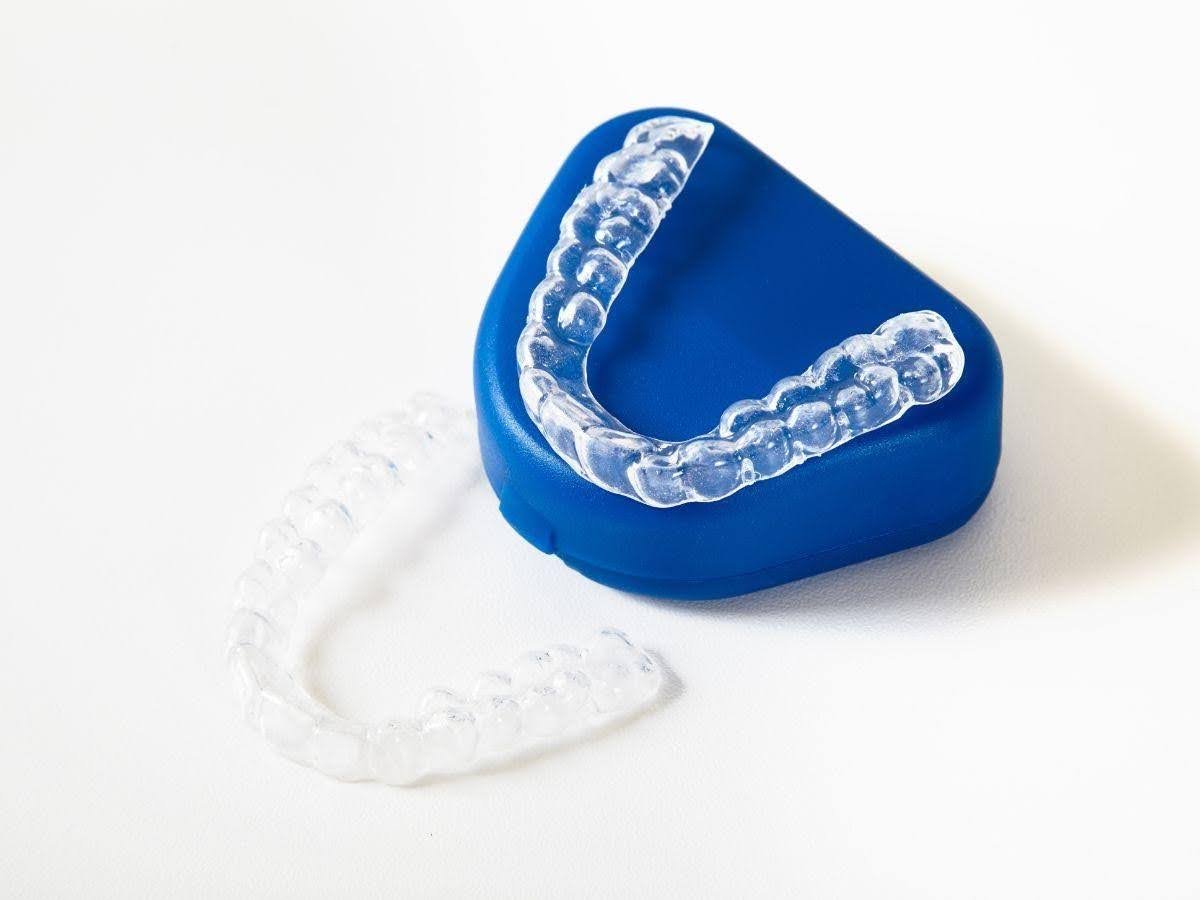
Clear aligners have become a popular option for straightening teeth because they are clear, removable, and less noticeable than traditional braces. They work by gradually moving teeth into better positions through a series of custom-made trays.
One question many patients ask is how often they should switch to a new aligner. Following the recommended schedule is important because changing aligners too soon or too late can affect treatment progress.
Understanding when to replace your aligners can help keep your treatment on track. This article explains how often aligners are typically changed and the factors that may influence the timing.
Understanding How Clear Aligners Work
The Step-by-Step Movement Process
Clear aligners straighten teeth by applying gentle pressure to targeted areas. Rather than moving all teeth at the same time, each aligner is designed to make small, planned adjustments.
Patients wear a series of aligners, with each tray helping move the teeth closer to their desired positions. After wearing one aligner for the recommended period, they switch to the next tray in the sequence.
This step-by-step approach allows teeth, bone, and surrounding tissues to adapt gradually. Because tooth movement takes time, controlled changes are generally considered more predictable and comfortable than attempting to move teeth too quickly.
Why Each Aligner Is Different
Every aligner in a treatment series has a specific purpose. Some aligners may focus on rotating a tooth, while others may close spaces or improve alignment. Because each tray is made to create a planned movement, wearing them in the correct order is important.
Skipping aligners or changing them too soon can interfere with the treatment plan. If the teeth have not reached the expected position, the next aligner may not fit properly. This can make treatment less efficient and may require additional adjustments later.
Many people who use teeth aligners NZ treatment plans receive clearly numbered aligners. These numbers help patients follow the recommended sequence and reduce confusion during treatment.
How Often Should Clear Aligners Be Changed?
The Common Replacement Schedule
For most patients, clear aligners are changed every one to two weeks. The exact timing depends on the treatment plan prepared by a dental professional. Some patients may switch aligners every seven days, while others may wear each set for fourteen days.
The schedule is based on how much movement is planned for each stage and how the teeth respond to treatment. A shorter change interval may be suitable for some patients, while others may benefit from a slightly longer period before moving to the next aligner.
Most dental professionals recommend wearing aligners for approximately 20 to 22 hours per day. They should usually be removed only for meals, drinking beverages other than water, and oral hygiene routines. Consistent wear helps the teeth move according to the treatment plan.
Why Treatment Plans May Vary
Every patient has different dental needs. Some people require only minor adjustments, while others need more complex corrections involving multiple teeth. Because of these differences, aligner schedules are not always identical.
The recommended replacement frequency may depend on factors such as the complexity of the case, the amount of movement required, and how well the patient follows wear instructions. Dental professionals may also adjust the schedule during treatment if additional monitoring is needed.
For this reason, patients should avoid comparing their aligner schedule with someone else’s. Following personalized advice is generally the best approach.
Factors That Affect Aligner Change Frequency
Treatment Goals
The goals of treatment can influence how often aligners are changed. Minor spacing issues may require a different schedule than cases involving crowding, bite correction, or tooth rotation.
More complex movements often require closer supervision. In some situations, additional aligners may be needed to continue progressing toward the planned treatment goals. Treatment plans are usually created based on individual needs rather than a one-size-fits-all approach.
Wear Time
Wear time is one of the most important factors in aligner treatment. Aligners can only move teeth when they are being worn. If a patient frequently removes them or does not wear them for the recommended number of hours, the teeth may not move as expected.
When this happens, the next aligner may feel unusually tight or may not fit properly. Consistent wear helps support the planned movement and can reduce the likelihood of delays.
Patients using teeth aligners NZ treatment systems are typically advised to follow the wear schedule provided by their dental professional for the best chance of staying on track.
Age and Tooth Movement
Tooth movement varies from person to person. Factors such as oral health, bone structure, and biological response can influence how quickly teeth respond to treatment.
Although younger patients may sometimes experience faster tooth movement, healthy adults may also be suitable candidates for clear aligner treatment, subject to individual assessment. The key factor is following professional instructions and attending recommended appointments throughout the treatment process.
Signs You Are Ready for the Next Aligner
Proper Fit
One sign that it may be time to move to the next aligner is when the current tray fits comfortably and fully against the teeth. At the beginning of a new aligner stage, patients often notice slight tightness. As the teeth shift into position, the aligner generally feels more comfortable.
If the tray sits properly without noticeable gaps, it may indicate that the planned movement for that stage has occurred.
Reduced Pressure
Many patients experience mild pressure when they first start wearing a new aligner. This pressure is often a sign that the aligner is applying force to move the teeth.
As treatment progresses through the week or two-week period, the pressure usually decreases. When the aligner feels significantly looser than it did initially, it may be a sign that the teeth have responded to that stage of treatment.
Dentist or Orthodontist Guidance
The recommended way to determine when to change aligners is to follow the instructions provided by a dental professional. Regular reviews allow progress to be monitored and help identify any issues early.
Dental professionals may use digital scans, photographs, or clinical examinations to assess how the teeth are moving. Their guidance should always take priority over personal assumptions about readiness.
What Happens If You Change Aligners Too Early?
Changing aligners too early may cause problems during treatment. If the teeth have not completed the planned movement, the next aligner may not fit correctly. This can create tracking issues, where the aligner no longer matches the position of the teeth as intended.
Patients may also experience increased discomfort if excessive force is applied before the teeth are ready. While some pressure is expected with new aligners, moving through the stages too quickly may affect how closely treatment follows the original plan.
In some cases, changing aligners early may result in treatment delays because additional adjustments or replacement aligners become necessary.
What Happens If You Change Aligners Too Late?
Changing aligners later than recommended can also affect treatment progress. While a short delay may not always create major concerns, repeatedly extending wear time can slow the overall process.
Patients who wait too long between aligner changes may find that treatment takes longer than originally estimated. Delayed progress can also affect motivation and make it harder to stay committed to the treatment plan.
If there is uncertainty about when to switch aligners, contacting a dental professional is usually the safest option.
Tips for Staying on Schedule
Staying on schedule becomes easier when aligner wear becomes part of a daily routine. Setting reminders on a phone or calendar can help patients remember change dates. Keeping aligners in a protective case when not in use can reduce the risk of losing or damaging them.
Regular dental appointments are also important because they allow progress to be monitored and adjustments to be made if necessary. Maintaining good oral hygiene and cleaning aligners according to professional recommendations can further support treatment progress and oral health during aligner therapy.
Consistency is one of the most important habits during aligner therapy. Consistent aligner wear helps support adherence to the treatment plan.
Conclusion
Clear aligners are typically changed every one to two weeks, although the exact timing varies depending on individual treatment needs. Factors such as treatment goals, wear time, and how the teeth respond to movement can all influence the recommended schedule.
Changing aligners too early may lead to fit problems and tracking issues, while changing them too late can slow progress. Paying attention to comfort, fit, and professional guidance can help patients follow their treatment plan more effectively.
If you are unsure about when to move to your next aligner, consult your dental professional. Following personalized advice can help support treatment progress and help patients follow their individualized treatment plan.
This article is for educational purposes only and does not constitute dental advice. Clear aligner treatment suitability varies between individuals. Always consult a registered oral health practitioner before beginning or continuing any orthodontic treatment.